

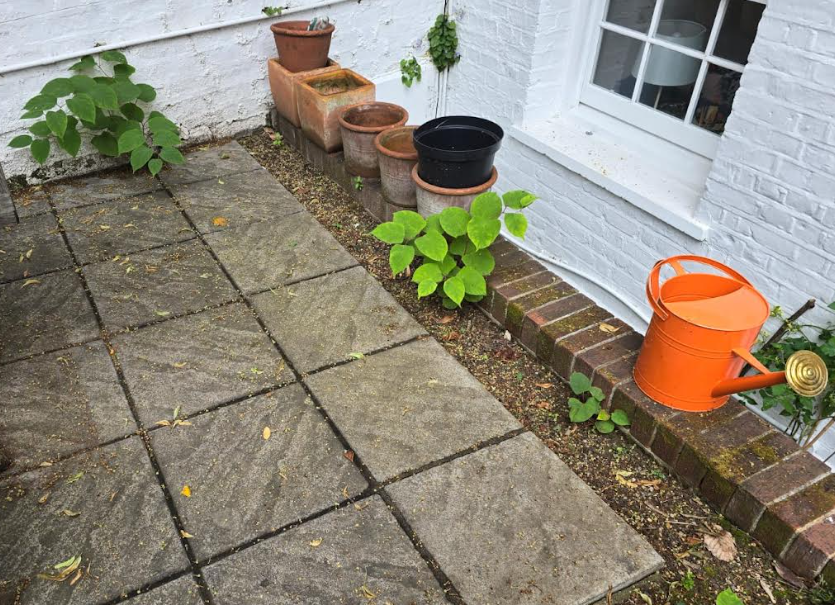
Herbicide Treatment, Excavation & Aftercare Explained
In Part 1, we explained what happens when you first contact SE Environmental, including the survey process, reporting, and treatment recommendations.
This guide covers the next stage of the journey – how Japanese Knotweed is treated, monitored, and managed through to completion.
Treatment in Action – What It Looks Like
Once a survey has been completed and a management plan agreed, treatment can begin.
Every SE Environmental Management Plan is tailored specifically to the property, the infestation, and the client’s individual circumstances.
Factors such as timescales, budget, access requirements, surrounding properties, and the intended use of the land all play a part in determining the most appropriate course of action.
Herbicide Treatment for Japanese Knotweed
As mentioned in Part 1, the vast majority of our clients decide to proceed with a Herbicide Application Programme whereby herbicide is applied to the plant by one of our qualified and experienced technicians.
Herbicide can only be applied to the above ground part of the plant – the leaves and stems. As Japanese Knotweed is dormant during the winter months with no visible growth, this can only be undertaken during the active growing season.
Timing is crucial.
Whilst the plant typically begins to show signs of growth in March, we do not start treatment until June, when sufficient growth is present for the herbicide to be effectively absorbed and transported through the root and rhizome system.
Following the first spray of the year:
- The plant will often appear dead within around two weeks
- This does not mean the infestation has been eradicated
- Regrowth is normal and expected
- Any new growth will typically appear weaker than before
A second treatment will usually take place later in the year, often around October, when enough regrowth is present for treatment to be effective again.
Depending on the infestation, this process can continue with up to two visits per year over a five-year treatment programme.
In many cases, Japanese Knotweed will stop surfacing after two to three years. A minimum of two years of monitoring with no regrowth is then required before a completion certificate can be issued.
Throughout the entire process, clients have full communication with the office and we are always available by phone, email, or WhatsApp should any questions arise.
Japanese Knotweed Excavation & Removal
Whilst herbicide treatment is often the preferred solution for residential properties, excavation can also be an effective method of remediation.
Excavation involves physically removing Japanese Knotweed and the surrounding contaminated soil from site.
Following the survey, costs would be provided for:
- Plant and labour
- Haulage
- Landfill charges
- Supervision by a qualified technician
- All associated paperwork and guarantees
Japanese Knotweed roots and rhizomes can extend several metres both laterally and vertically, meaning excavation must be carefully managed to ensure all contaminated material is removed whilst keeping costs as low as possible.
Factors that need to be considered include:
- Site access
- Property boundaries
- Neighbouring land
- Underground services
- Garages, sheds, ponds, and other structures
For these reasons, excavation is not always practical in domestic settings, which is why a herbicide treatment programme is often the preferred option.
As with all our remedial methods, all relevant paperwork, insurances, and guarantees are provided to the highest possible standards.
SE Environmental Monitoring & Aftercare
The journey with SE Environmental does not finish with the last treatment visit.
We provide ongoing monitoring throughout the programme to ensure everything is progressing as expected and to confirm that no regrowth occurs.
Our commitment to aftercare includes:
- Regular monitoring visits
- Ongoing communication and support
- Guidance whenever questions arise
- Documentation and certification where required
Even after the final invoice has been paid, any questions or queries you may have will not be ignored.
We understand that Japanese Knotweed remediation is often an unexpected expense and a stressful situation. That’s why we aim to provide the same level of support throughout the entire process as we do on day one.
Why Clients Continue to Choose SE Environmental
Part of our commitment to providing the smoothest possible journey is doing the basics right.
This includes:
- Turning up when we say we will
- Answering correspondence as quickly as possible
- Producing reports promptly
- Returning calls when we’ve been unavailable
These are the standards we expect ourselves because they are the standards we would expect from a contractor.
The team has more than 30 years of experience dealing with Japanese Knotweed across a wide range of projects.
Our clients range from first-time buyers and homeowners through to property developers, major house builders, schools, the NHS, and other large organisations.
Last year alone, SE Environmental assisted more than 300 clients in obtaining mortgages through the documentation, support, and expertise provided throughout the process.
Get Expert Help With Japanese Knotweed Treatment
If you’ve received a report and are unsure what to do next, speaking to a specialist is the best place to start.
We will explain the available treatment options, discuss the benefits and considerations of each approach, and recommend the most appropriate solution for your circumstances.
Whether you’re considering a herbicide treatment programme, excavation works, or simply need advice on the next steps, our team is here to help.
If in doubt, give us a call or send over some photos and we’ll take a look.
